Project Summary
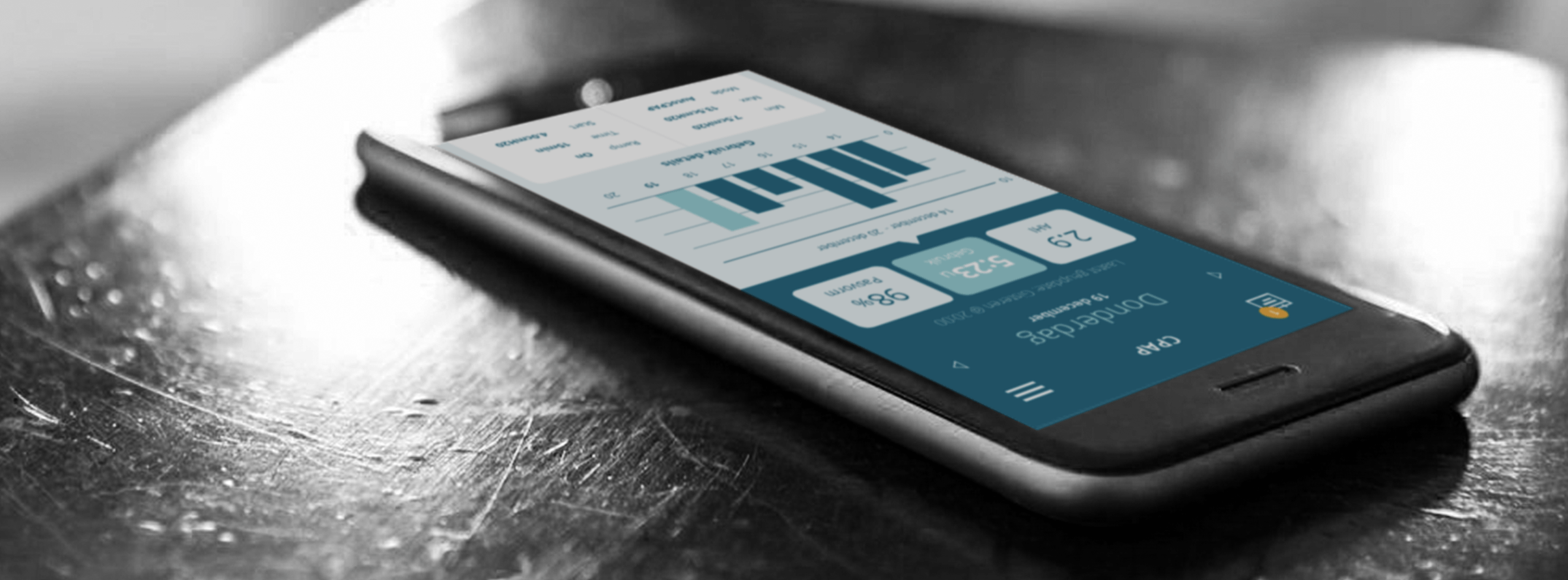
Mediq aims to assist employees in addressing their sleep problems and disorders through a tailored app experience. The app provides guidance, coaching, and access to professional healthcare, helping users become better sleepers within 1.5 months. The primary focus is to target the right audience, segment users based on their specific sleep issues, and provide customized treatment plans.
Problem Statement
Poor sleep among employees can significantly impact workplace functioning, resulting in reduced productivity and increased absenteeism. Moreover, it may lead to severe health issues such as diabetes and heart diseases. Mediq seeks to address these challenges by offering a user-friendly app that empowers individuals to improve their sleep patterns.
Research
Through analyzing general data on people with sleep problems, I categorized different sleep issues into three categories, forming the basis for the app's development. Research on existing healthcare apps guided the design process, emphasizing the importance of simplicity, user needs, personalization, and creating a sense of trust and value.
User Research
The user research conducted highlighted that individuals with poor sleeping patterns tend to experience short attention spans, reduced performance, and lower productivity. Moreover, if these sleep issues persist, they can lead to severe health problems such as diabetes, heart diseases, and cholesterol-related complications.
Health Care Apps Research
During the research on various health care apps, several key findings were identified to inform the design process:
1. Focus on User Needs: A successful healthcare product design process should prioritize addressing user needs rather than solely catering to their wants.
2. Simplicity is Crucial: Keeping the app interface simple is essential as users may want quick access to information and results. Complex interactions can confuse and hinder usability, so information should be presented in a clear and concise manner.
3. Instill Trust: To provide users with a sense of safety, the app should establish an environment they can trust, ensuring they feel comfortable using the platform.
4. Personalized Experiences: To improve the healthcare user experience, it is vital to create more personalized interactions that raise users' awareness of their overall well-being. By understanding medical expressions, users can better engage with the app and become more informed healthcare consumers.
5. Focus on Value: The design of medical products carries significant responsibility. Instead of solely striving for success, the primary focus should be on delivering a valuable service that enhances people's lives.
These findings have been instrumental in shaping the design process, ensuring the app meets user needs, offers a straightforward and trustworthy interface, and provides personalized experiences to enhance user engagement and overall well-being.
Solution
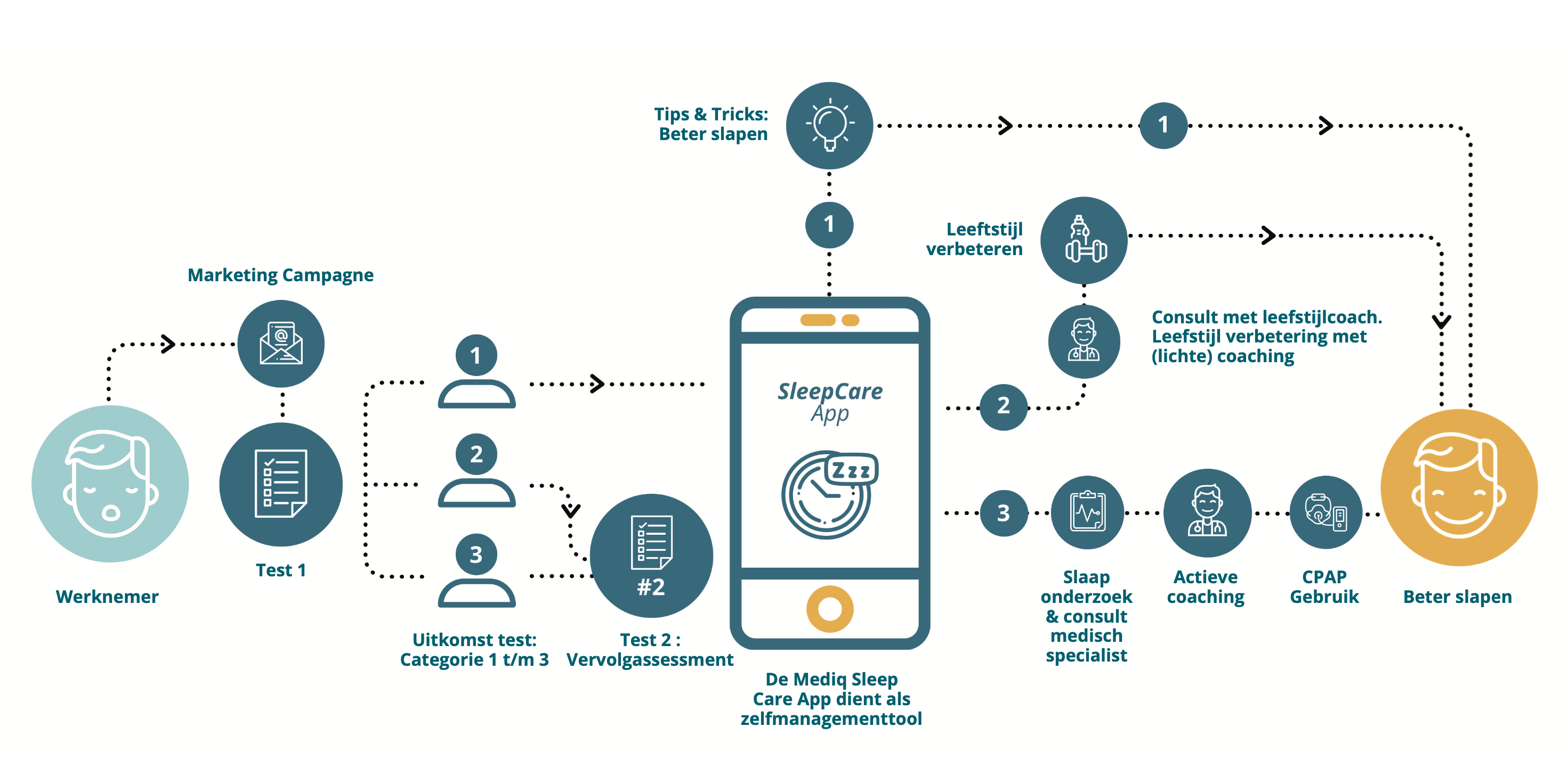
Mediq and Medicinfo have collaboratively designed a comprehensive sleep program for employers, aimed at continuously improving employees' sleep behavior. The program identifies different sleeping problems and disorders in a timely manner, ensuring personalized treatment plans when necessary. To identify potential sleeping issues among employees, a marketing campaign was implemented.
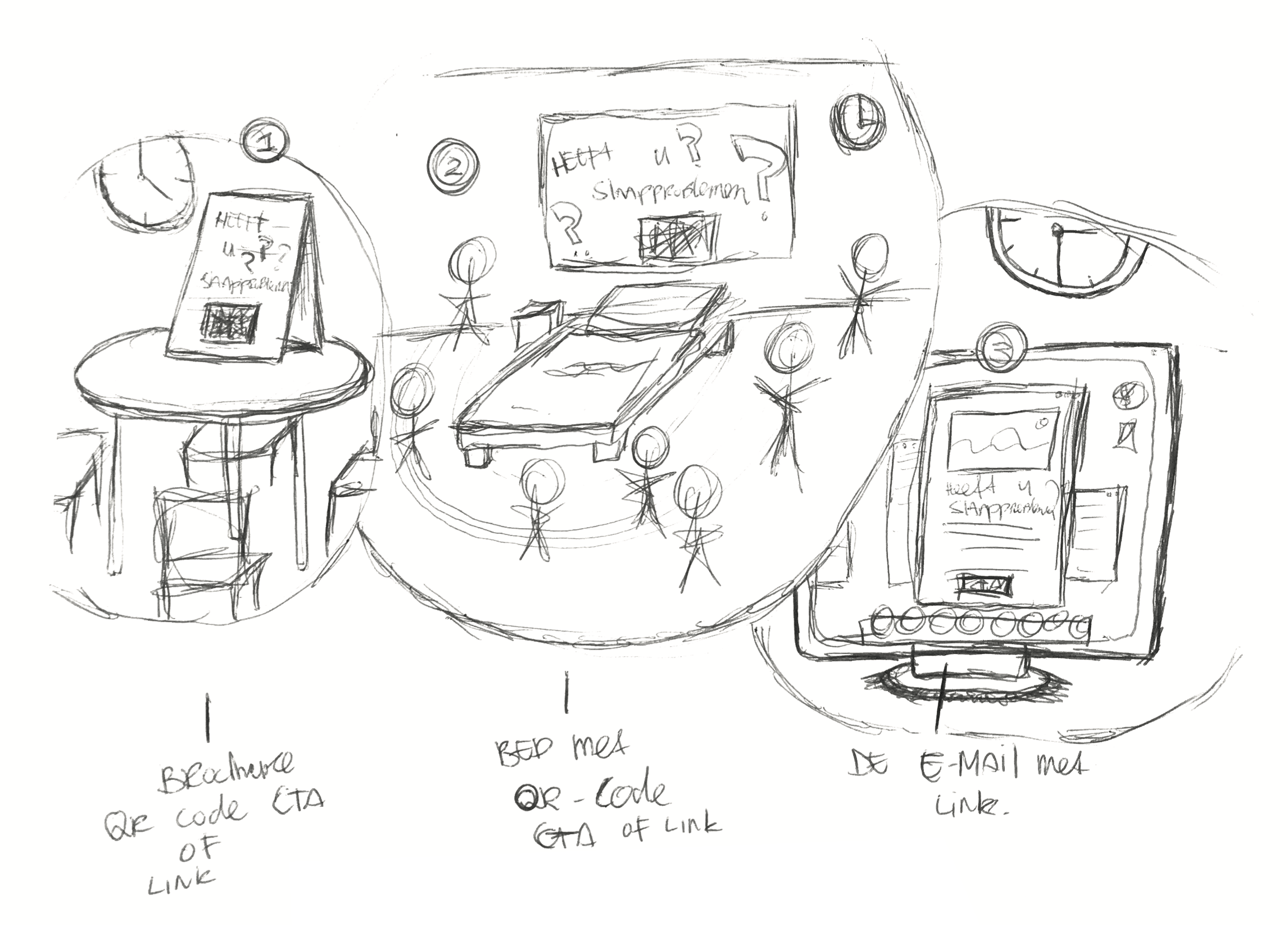
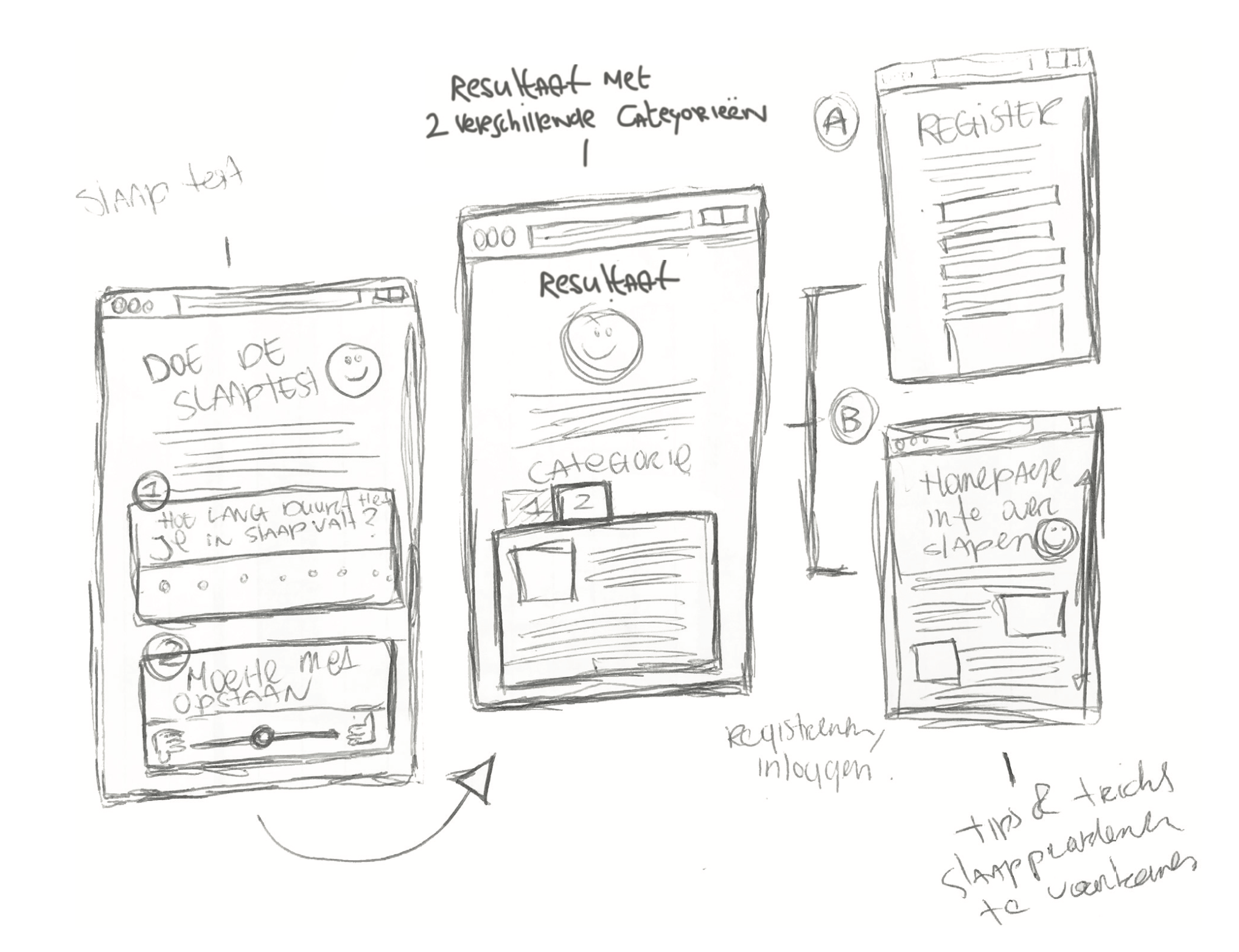
This campaign involved an internal company email sent to all employees, providing an overview of the negative effects of poor sleep and the positive effects of good sleep. Employees were then prompted to take a 10-question test to determine their sleep quality, resulting in two possible outcomes.
Category 1: Good Sleepers - Employees falling into this category received tips and information via email to continue maintaining their good sleeping pattern.
Category 2: Potential Sleeping Problems - Employees in this category underwent further research through a second questionnaire delivered via email. Based on the results, they were assigned one of the following outcomes:
A: Potential Issues with Current Sleeping Pattern - Employees received an email encouraging them to download the app and improve their sleep pattern.
B: Sleeping Problems - Employees received instructions via email to download the app and engage in personalized treatment to address their sleeping issues.
C: Diagnosed Sleeping Disorder - Employees were directed to download the app to receive personal coaching and treatment for their diagnosed sleeping disorder.
For individuals falling into Category A and B, personalized treatment plans were provided to improve their lifestyle and achieve better sleep patterns.
The distinction between the two categories was that employees in Category B were paired with a personal coach to further diagnose their sleeping disorders, possibly leading to Category C. Employees in Category C were immediately assigned a personal coach to receive support and guidance for addressing their sleeping disorder.
Overall, this program aims to offer accessible and personalized solutions for employees to prevent sleep-related problems, minimize negative effects, and improve overall sleep quality.
User flow
The app's user flow was meticulously designed to ensure a seamless and effective experience for users, guiding them through the process of identifying their sleep category and receiving appropriate treatment.
Sketches
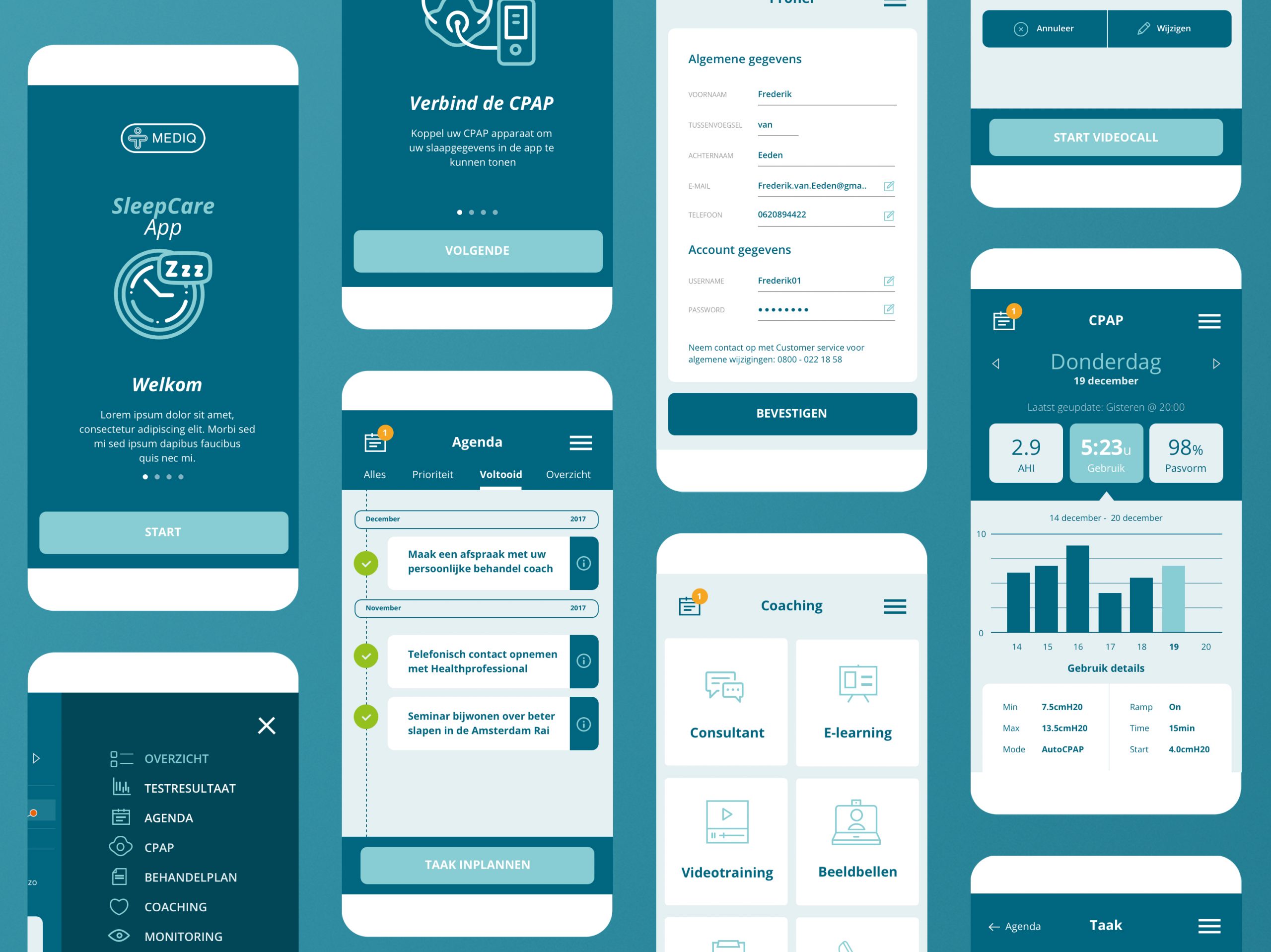
Throughout the design process, careful attention was paid to color palettes, icons, copy, typography, and user flows, creating a harmonious and inviting user interface.
Visual Design
Conclusion
The app serves as a self-management tool, empowering employees with daily knowledge, coaching, and expertise to overcome their bad sleeping patterns. The primary objective is to provide the right treatment and help users eliminate bad sleeping behaviors and disorders within 1.5 months after app download. Reflecting on this project, it has been a compelling and meaningful endeavor, tackling a serious problem.
The nature of addressing users' bad sleeping patterns presented a challenge in delivering potentially negative news in a positive manner. Striking the right balance to avoid overwhelming notifications, especially in the app's daily usage, was crucial.
To create a seamless user experience, I carefully curated the app's elements, including color palettes, icons, copy, typography, and user flows. By implementing these design choices thoughtfully, the app fosters a harmonious relationship between users and the app, ensuring user engagement and motivation towards better sleep. Through thoughtful design and a sensitive approach, the app aims to empower users in taking charge of their sleep health, ultimately contributing to their overall well-being and improved quality of life.